

• Home
  • Wellness
  • Life&Balance
  • Healthy Planet
  • Life Tips
  • Mind&Body
logo
  • Home
  • Wellness
  • Life&Balance
  • Healthy Planet
  • Life Tips
  • Mind&Body
  • Healthy Planet

The Damage of Deforestation to the Earth

2025-12-01 By Victoria Reed

Deforestation, also known as deforestation, deforestation, or forest destruction, refers to the human activity of converting forest land into non-forest uses such as farmland, pasture, and urban areas. Generally, deforestation leads to environmental degradation and a reduction in biodiversity. Many countries are still engaged in deforestation, contributing to climate change and altering geographical environments. Because there is insufficient reforestation after deforestation, the result is soil and water degradation, climate change, reduced biodiversity, and a decline in quality of life. Deforestation has become one of the most serious environmental challenges globally because it is closely linked to biodiversity loss, climate change, resource depletion, and a decline in quality of life in many parts of the world. Understanding how many trees are felled each year, the real reasons and consequences, and what alternatives can be made to stop this trend is crucial for any environmental protection and sustainable development strategy.
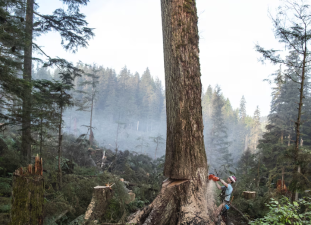

Why shouldn't trees be cut down?

  1. Tropical forests are one of the most important carbon reservoirs on Earth.

Plants in tropical forests absorb carbon dioxide through photosynthesis and fix it within their bodies. 1. When plants die or decompose, carbon is released back into the atmosphere. Large-scale deforestation of tropical forests leads to the felling and burning of vast amounts of trees, releasing significant amounts of carbon and exacerbating global climate change.
  1. Tropical forests are among the most biodiverse habitats on Earth.

The organisms in these forests are irreplaceable components of Earth's ecosystems, including millions of plant, animal, and microbial species. With deforestation and degradation, these species face habitat loss and extinction, which will severely damage Earth's ecosystems.
  1. Tropical forests are a crucial part of the global water cycle.

These forests transport large amounts of water into the atmosphere through transpiration, resulting in abundant rainfall. Deforestation of tropical forests leads to water loss and reduced rainfall, thus impacting the global water cycle.
  1. Tropical deforestation also has severe impacts on human societies.
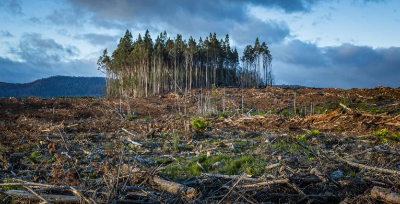
These forests provide abundant timber, medicine, food, and other vital ecosystem services. With the disappearance of forests, humans will lose these resources and services, leading to economic, social, and ecosystem instability.


Conservation Measures

  1. Reduce timber demand.

To reduce dependence on tropical forests, we need to promote sustainable timber use. This includes, for example, the use of recycled timber, biomass energy, and alternative materials.
  1. Promote sustainable land use practices.

Changing land use patterns is a crucial measure for tropical forest conservation. For example, promoting sustainable agriculture, forestry, and livestock farming can reduce demand on forests.
  1. Implement forest restoration and protection.

To protect and restore tropical forests, we need to take a series of measures, including establishing nature reserves, restoring degraded forests, and controlling illegal logging and trade.
  1. Increase public awareness and participation.

Through education and outreach, we can raise public awareness and understanding of tropical forest conservation, and enhance public capacity and motivation to participate in forest protection.

Conclusion

Deforestation remains a real threat to life on Earth, but solutions depend on both global policies and the accumulation of small individual actions. The future of forests depends on our collective ability to change our relationship with natural resources, on the application of scientific knowledge and innovative technologies, and on the positive commitment of governments, industries, and citizens. From planting trees to choosing sustainable products or supporting environmental initiatives, every decision is a step toward ecological balance and protecting the planet.

Recent Posts

Why Protecting Wildlife Protects Us Too

Environmental Protection Is a Global Challenge

Are We Doing Enough to Reduce Plastic Waste?

Why Urban Green Spaces Matter More Than We Think

Protecting the Earth Starts With Understanding It

What Causes Poor Air Quality?

  • About Us
  • Privacy Policy
  • Terms of Use

©Copyright 2025 Wisdom Live. All Rights Reserved.